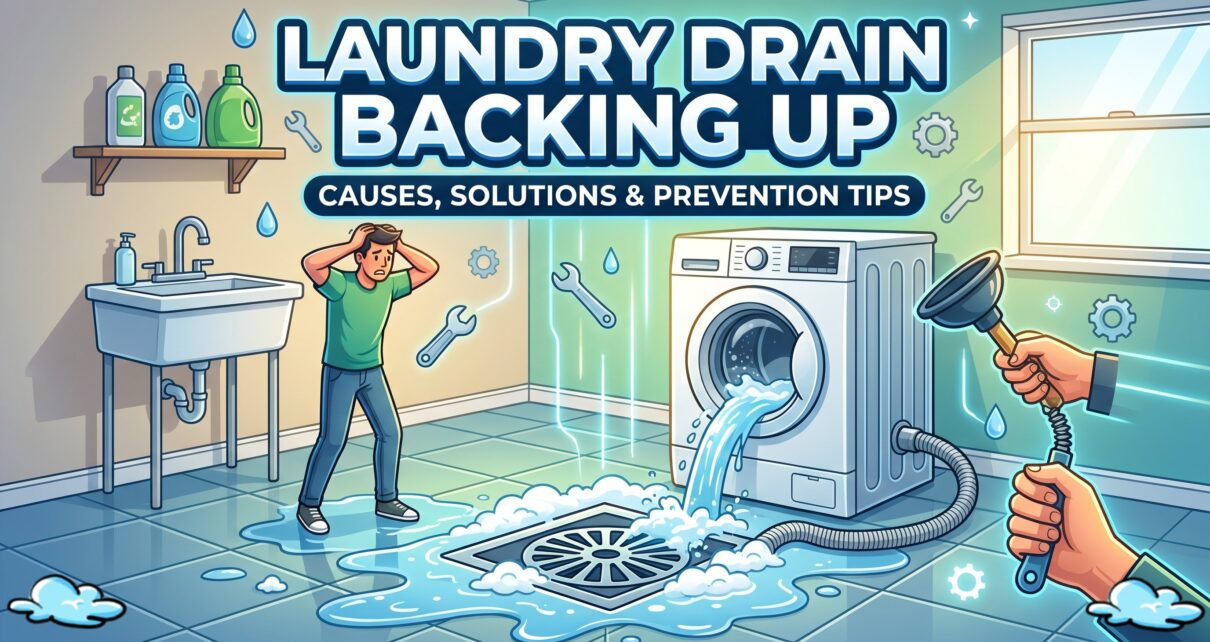
There is nothing quite as frustrating as walking into your laundry room only to find a soapy pond on the floor. A laundry drain backing up is more than just a mess it’s a disruptive household emergency that can lead to significant water damage if not addressed immediately. Whether the culprit is a stubborn lint clog or a deeper issue within your indoor drain pipe repairs, acting fast is key. In this guide, we’ll dive into the immediate steps you can take to stop the overflow and the essential prevention tips to ensure your laundry day stays stress-free.
Laundry Drain Backing Up? 5 Simple Solutions to Try Today
- Laundry drain backing up can be a real headache. It disrupts your routine and can cause water damage.
- A clogged drain can lead to unpleasant odors and even mold growth.
- Understanding the causes of a laundry drain backing up is crucial. Common culprits include lint buildup, soap scum, and foreign objects.
- Regular maintenance can prevent these issues. Simple steps can keep your washing machine drain pipe clear.
- Using a lint trap on the washer drain hose is a good start. It helps reduce lint buildup.
- Chemical cleaners like Drano can be effective but may damage pipes over time.
- Natural solutions, such as baking soda and vinegar, offer a safer alternative.
- Snaking the drain is another effective method to remove stubborn clogs.
- Knowing when to call a professional is important. Persistent issues may require expert help.
- Preventative measures can save you time and money. They help avoid costly repairs and water damage.
This guide will provide practical solutions to tackle a laundry drain backing up. Let’s dive in and unclog that drain today!
Importance of Addressing Laundry Drain Issues
Addressing laundry drain issues is vital for a smooth household routine. A clogged drain can disrupt your day-to-day activities. Furthermore, it can lead to unexpected expenses.
Ignoring the problem can have serious consequences. Water backing up can cause damage to floors and walls. This can result in costly repairs that could have been avoided with timely intervention.
Beyond physical damage, a clogged drain can create an unhealthy environment. Stagnant water can lead to mold and mildew growth, both of which pose health risks. Unpleasant odors can also permeate your laundry room, making it an uninviting space.
Immediate action is crucial when dealing with a backing up drain. Quick fixes can save your home from extensive water damage. They prevent further plumbing complications that require professional repairs.
To prevent these issues, adopting a proactive approach is essential. Here are some key actions to take:
- Regularly check and clean the drain hose.
- Use lint traps to catch debris.
- Perform periodic maintenance on your washing machine.
- Consider professional inspections every few years.
- Avoid using excessive detergent to minimize soap buildup.
By staying vigilant and maintaining your laundry systems, you ensure their longevity and efficiency. Regular maintenance not only saves money but also provides peace of mind. Your laundry room will remain functional, clean, and odor-free. Addressing laundry drain issues promptly safeguards your home and health.
Common Problems Indicated by a Backing Up Drain
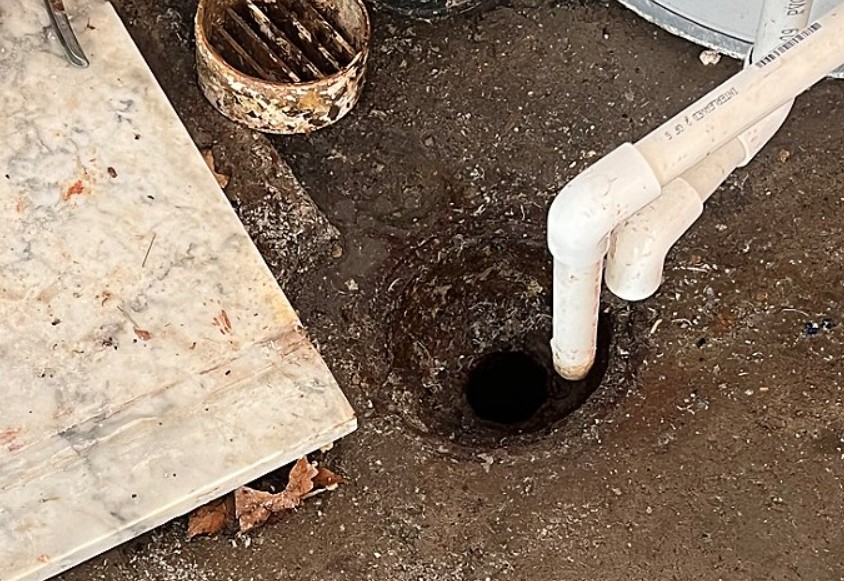
A backing up laundry drain is often a sign of a broader issue. Recognizing these issues early can prevent more significant problems down the line. Here are several common problems you might encounter.
Firstly, slow draining or standing water in the washer is a clear indicator. This often results from obstructions in the washer drain pipe. Over time, lint and soap scum can accumulate and restrict water flow.
Another problem could be water leaking onto the floor. This can occur when the washing machine drain pipe gets clogged. Leaks can lead to water damage if not addressed quickly. Keep an eye out for wet patches on floors and walls.
Persistent foul odors in your laundry room also suggest drainage issues. These odors result from trapped water and debris in the drain. Such smells can make the laundry room unpleasant and unwelcoming.
In some cases, the washing machine may vibrate excessively or make strange noises. These symptoms can indicate that the washing machine drain is clogged. They may also suggest problems with the machine’s internal components.
To summarize, some common issues indicating a backing up drain include:
- Slow draining or standing water
- Water leaking onto the floor
- Persistent foul odors in the room
- Excessive vibration or strange noises
Identifying and addressing these issues early is crucial. It helps ensure your laundry system operates smoothly without interruptions. Proactive maintenance and quick responses to unusual symptoms can protect your home from future drainage woes.
Causes of Laundry Drain Backing Up
Various factors can lead to a laundry drain backing up. Identifying these causes helps to address the issue effectively. Often, clogs and plumbing issues are the primary culprits.
Clogs in the system can occur from common everyday use. Lint, soap scum, and debris accumulate over time, causing restrictions. These blockages might completely or partially prevent water flow.
Aside from clogs, plumbing issues also play a significant role. Poor installation or blocked vents can severely disrupt drainage. Recognizing these causes early allows for timely intervention and reduces the risk of extensive damage. Key causes of laundry drain backups include:
- Clogs from lint and debris
- Plumbing installation problems
- Blocked vent pipes affecting drainage
Understanding these causes is crucial in prevention and maintenance. It aids in selecting the right solution for addressing the problem.
Clogs in the Washer Drain Pipe
A washer drain pipe can become clogged for many reasons. This often results from day-to-day washing activities. While these clogs are common, they are also preventable with the right measures.
Lint from clothes is a notable contributor. As water drains, lint can build up in the pipes. Over time, this accumulation restricts water flow and eventually blocks it entirely.
Soap residue also plays a part in clogs. Detergents and other laundry products can leave behind residues. These residues may combine with lint to create stubborn blockages.
Additionally, foreign objects mistakenly left in pockets during laundry can pose a problem. These objects, like coins or hairpins, may lodge within the pipes, causing serious clogs. Such objects not only obstruct flow but can also damage the machine.
In summary, clogs in the washer drain pipe can result from:
- Accumulation of lint and debris
- Soap residue buildup
- Foreign objects obstructing the drain
These causes emphasize the importance of regular maintenance and checking laundry items before washing.
Accumulation of Lint and Debris
Lint and debris accumulation is a primary cause of clogs. Washing garments releases lint during the process. This lint, if unchecked, builds up in the drainage system.
Lint traps can help mitigate this issue. These traps capture lint before it enters the pipes. Regularly cleaning these traps is crucial for effective functioning.
Ignoring lint buildup leads to severe blockages over time. Such blockages restrict water flow and cause backups. They can also lead to unpleasant odors as water stagnates in the pipes.
Debris from outside can also enter during open-air drying processes. Dry leaves or small particles can wash into the drainage system. These foreign particles enhance the clogging issue if combined with lint.
To combat accumulation issues, consider the following steps:
- Install and clean lint traps regularly
- Maintain a regular drain-cleaning schedule
- Ensure no foreign debris enters the system
Consistent monitoring and routine checks can prevent major clog issues in the future.
Foreign Objects in the Drain
Unexpected objects in the drain can cause significant problems. Everyday items like coins or small clothing accessories can be overlooked.
These items can slip through unnoticed while loading or unloading laundry. Once inside, they risk obstructing parts of the drainage system.
If they lodge within the pipes, blockages will occur. These blockages restrict water flow severely, backing up the system. Such clogs require immediate intervention to avoid damage.
In addition to blockages, foreign objects pose risks to the washing machine’s mechanisms. Moving parts may get hindered or damaged by trapped items.
Preventing this requires diligence during laundry preparation. Always check pockets before washing. This minimizes the chances of objects sneaking into the system.
To address foreign object clogs effectively:
- Inspect and empty pockets before loading laundry
- Regularly inspect drains for trapped items
- Use mesh laundry bags for small items
Regularly following these practices can prevent many clogging incidents in the future.
Plumbing Issues
Poor plumbing is another reason for laundry drains backing up. Proper installation and regular inspections are crucial to avoid this. A well-installed system ensures smooth operation and drainage efficiency.
Blocked vent pipes can lead to poor drainage performance. These vents balance the air pressure within the plumbing. When they become obstructed, air flow diminishes, impacting drainage speed.
Improper drain installation can also compound the problem. Incorrect pipe alignment or sizing can restrict flow. This is more common in older homes with outdated systems.
Additionally, damaged pipes can be a major headache. Over time, wear and tear or external factors might cause pipe breakage. Cracked pipes can leak and lead to backups.
To mitigate plumbing issues, consider the following:
- Ensure regular professional inspections
- Check for and clear blocked vents frequently
- Assess and update your drainage system if it’s outdated
Maintaining these practices can help keep your laundry drain clear and effective.
Blocked Vent Pipes
Vent pipes play a vital role in drainage systems. They regulate the air pressure, which is crucial for smooth water flow. Blocked vent pipes disrupt this balance, leading to slow drainage.
Common causes of vent blockages include debris and nesting animals. Leaves, dirt, or small pests may obstruct the vent opening. A blockage results in poor water flow and pressure imbalance.
Frequent inspection of vent pipes can mitigate these issues. Clearing any obstructions helps maintain proper airflow and drain efficiency. Regular roof checks can prevent debris from accumulating.
In some cases, extended chimneys or adjacent structures may block air circulation. Consider pipe extensions if this situation occurs. It is essential to restore free air flow.
To address blocked vent pipes effectively, follow these steps:
- Regularly inspect vents for debris or blockage
- Clear any obstructions promptly
- Install preventative measures to avoid animal intrusion
Taking these precautionary measures ensures optimal drainage system performance.
Improper Drain Installation
Improper drain installation can lead to significant drainage issues. Misaligned or incorrectly sized pipes can disrupt water flow. Such installations may result in frequent water backups and leaks.
Some systems may not adhere to local plumbing standards. Inadequate compliance can cause inefficiencies and potential hazards. Regular inspections with professional guidance help in assessing these factors.
Improper slopes or angles can also affect drainage performance. Water requires gravity assistance for efficient removal. Incorrect slopes mean water might not drain as intended, leading to blockages.
Plumbing systems in older buildings often face these issues. Aging infrastructure and wear exacerbate the problem. To ensure a seamless operation, pipe installation review becomes necessary.
Consider these actions to mitigate improper installation issues:
- Schedule professional inspections for proper assessment
- Ensure system compliance with standards
- Review and adjust pipe slopes if necessary
Following these steps can enhance drainage performance and longevity. Regular checks ensure the system remains free from issues.
How to Unclog a Laundry Drain
Unclogging a laundry drain requires simple yet effective methods. Quick intervention prevents water backup and potential damage.
Clogs can be resolved using several DIY techniques. Choose the one that best suits your situation. These methods are cost-effective and require minimal tools.
To begin, assess the severity of the clog. For minor blockages, home remedies might suffice. However, more stubborn clogs could need additional intervention. Consider the following methods:
- Snaking the drain
- Using chemical cleaners
- Natural solutions
Understanding each method helps in selecting the right approach for your drainage issue.
Method 1: Snaking the Drain
Snaking effectively clears blockages from drain pipes. This method uses a flexible tool to navigate and remove obstructions. It suits major and minor clogs alike.
A drain snake reaches deeper into the system than other tools. It’s particularly useful for dislodging trapped hair, lint, and debris.
Before snaking, always prepare the area. Ensure there’s adequate space to maneuver and catch any removed debris. Keep towels and a bucket handy to manage any water spills.
Snaking allows for targeted intervention. It restores proper water flow and prevents recurring blockages. If snaking proves challenging, consider professional assistance.
The benefits of snaking include:
- Effectively removing deep blockages
- Preventing future clogs
- Low-cost solution for drainage issues
Tools Needed for Snaking
Snaking requires specific tools for success. These tools are often found in homes or readily available at hardware stores.
The primary tool for this task is a drain snake. A medium-sized snake fits most household drains. It should have a flexible, durable build for effective navigation.
Additionally, a pair of gloves protects hands during the task. Debris can be sharp or abrasive upon removal. Gloves provide necessary protection and grip.
A bucket is also essential. It catches water and debris released during snaking, minimizing cleanup. Lastly, a flashlight is useful for inspecting the drain’s interior.
For a successful snaking operation, gather these tools:
- Medium-sized drain snake
- Durable gloves
- Collection bucket
- Bright flashlight
With these in hand, you’re prepared for efficient snaking.
Step-by-Step Snaking Instructions
Begin by positioning your tools and preparing the area. Ensure the floor is dry to prevent slips. Move nearby items to avoid water damage.
Next, insert the snake into the drain. Slowly advance the snake, rotating as you proceed. Use gentle force to maneuver through bends and curves.
Once the blockage is reached, apply pressure. Rotate and push the snake back and forth to dislodge the clog. Continue this motion until the obstruction clears.
Once the clog is removed, retract the snake. Be cautious as you extract, as debris and water may accompany it. Dispose of any waste collected in the bucket.
Here’s a quick recap:
- Prepare the area and gather tools
- Insert and rotate the snake through the drain
- Clear the clog with steady back-and-forth motions
- Carefully remove the snake and clean up
These steps ensure a thorough and successful drain snaking.
Method 2: Chemical Cleaners
Chemical cleaners offer a quick fix for laundry drain clogs. These solutions dissolve many types of buildup. They work efficiently, saving time and effort.
Drano and similar products target and breakdown debris in drains. They effectively handle soap scum, grease, and small blockages. However, usage requires caution.
Always follow product instructions closely. Misuse can damage pipes and lead to further issues. Consider your drain system’s material compatibility before choosing chemical cleaners.
While convenient, chemical methods aren’t ideal for repeated use. Over time, they may weaken pipes. If blockages persist, alternate approaches should be considered.
The chemical cleaning benefits include:
- Quick and effective blockage removal
- Easily available in stores
- Minimal required effort
Using Drano Safely
Drano is a popular choice for clearing drains. It’s effective but demands careful usage. Safety measures protect both your plumbing and personal well-being.
Begin by reading the product’s instructions thoroughly. Use only the recommended amount for your situation. Excessive use can create harmful fumes or reactions.
Ensure the laundry area is ventilated to avoid inhalation risks. Wearing gloves and goggles offers additional protection from splashes.
Avoid mixing Drano with other products or methods. Chemical reactions might cause fumes or damage. After use, flush the system with plenty of water to clear residue.
For safe Drano usage, remember:
- Follow the product’s instructions
- Ensure proper ventilation
- Use protective gear like gloves and goggles
- Avoid mixing with other chemicals
Adhering to these guidelines ensures effective and safe drain cleaning.
Alternatives to Chemical Cleaners
Natural alternatives provide a safe, eco-friendly solution to clogs. They utilize common household items to clear blockages without harsh chemicals.
Baking soda and vinegar is a popular combination. This solution reacts to break down buildup within the pipes. It’s particularly effective on soap scum and mineral deposits.
A plunger also serves as a practical alternative. It creates pressure to dislodge minor clogs. This tool requires little effort but is surprisingly effective.
Lastly, consider using mechanical tools for stubborn debris. A drain snake or plunger can tackle clogs without chemical reliance.
For natural clog-clearing, consider:
- Baking soda and vinegar solutions
- Using a plunger
- Mechanical tools like drain snakes
These options offer safe, effective alternatives to chemical cleaners.
Method 3: Natural Solutions
For a gentle cleaning approach, natural solutions excel. They present a safe, cost-efficient way to keep drains clear. These methods utilize everyday household items.
Baking soda and vinegar is a powerful pair. When combined, they fizzle and dissolve clogs. This method tackles soap and mineral deposits effectively.
Another approach involves a hot water flush. This clears away minor debris and melts away soap scum. Regular flushing aids in maintaining clear drains.
Natural methods reduce the risk of chemical damage. They are kind to both the plumbing system and environment. For those concerned about health and safety, these solutions are ideal.
Natural cleaning benefits include:
- Safe for pipes and environment
- Cost-effective and uses common items
- Effective on mild to moderate clogs
Baking Soda and Vinegar Method
The baking soda and vinegar method is simple yet effective. This approach targets stubborn buildup with a natural reaction.
Begin by pouring a generous amount of baking soda down the drain. Follow it with an equal measure of vinegar. The mixture will start to fizz, acting on the clog.
Allow it to sit for about 30 minutes. This time lets the mixture break down the blockage. Afterward, flush the drain with hot water to clear residue.
This method suits minor and moderate clogs. It’s an excellent preventative measure when used regularly.
To perform this method:
- Pour baking soda into the drain
- Add an equal amount of vinegar
- Let it fizz for 30 minutes
- Rinse with hot water
Routine usage maintains clear and unobstructed drains.
Hot Water Flush
A hot water flush is a straightforward cleaning technique. It utilizes the power of heat to melt and dislodge buildup within pipes.
Start by boiling a kettle of water. Once heated, carefully pour the water down the affected drain. Use a steady stream to maximize effect and coverage.
This method aids in removing light debris and soap scum. It’s also effective in clearing away minor blockages. For best results, implement it as part of a regular cleaning schedule.
Regular hot water flushing prevents buildup and maintains drainage performance. It’s simple, efficient, and causes no harm to your plumbing.
To conduct a hot water flush:
- Boil a kettle of water
- Pour steadily into the drain
- Repeat periodically for maintenance
These steps ensure a clean and efficient drainage system with minimal effort.
Maintenance Tips to Prevent Backups
Preventing drainage issues is easier with regular maintenance. Simple habits can keep your laundry drain flowing smoothly. By adopting preventive measures, you save time and money on repairs.
Start by routinely checking your washer components. Regular cleaning helps avoid build-up that could cause clogs. Simple inspections can detect minor issues before they worsen.
Consider these maintenance practices:
- Clean washer drain hose regularly
- Install a drain filter to catch debris
- Schedule periodic professional inspections
These tips will significantly reduce the risk of backups. Consistent maintenance preserves the efficiency and longevity of your appliances.
Regular Cleaning of Washer Drain Hose
The washer drain hose is prone to buildup. Residue from soap, lint, and minerals can accumulate over time. Regular cleaning of this hose prevents clogs and ensures efficient drainage.
Start by disconnecting the hose from your washer. Prepare to collect any water from the remaining contents. A simple cloth or sponge will suffice for initial cleaning.
Inspect the hose for any visible buildup. Use a flexible brush to gently scrub away deposits. Be thorough but careful to avoid damaging the hose.
Once cleaned, rinse with hot water to remove lingering particles. This clears the hose, allowing unobstructed water flow. Reattach the hose securely, checking for any leaks.
Regular cleaning minimizes the risk of unexpected clogs. To maintain a clean washer drain hose, follow these steps:
- Disconnect and inspect the hose
- Use a brush for thorough cleaning
- Rinse with hot water
- Reattach securely
Conducting this routine ensures your washing machine functions optimally.
Installing a Drain Filter
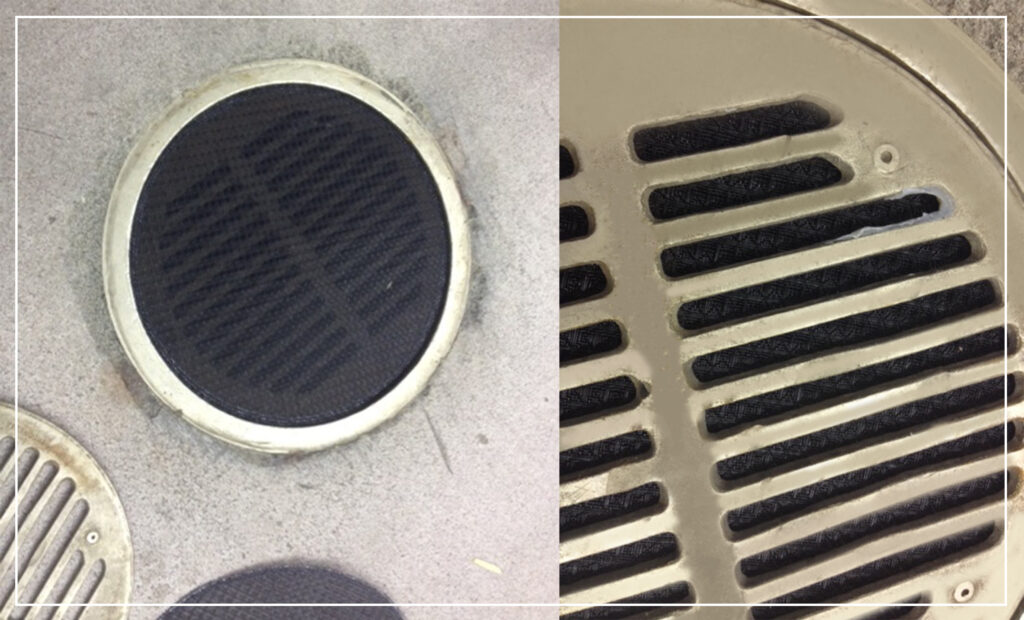
A drain filter effectively captures lint and debris before they enter the system. This simple addition significantly reduces the risk of clogs.
Begin by selecting a filter compatible with your drain system. Most hardware stores offer affordable options. Ensure it fits snugly without impeding water flow.
Install the filter over the washer’s drain opening. This trap collects lint and particles during washing cycles. Regularly empty and clean the filter to maintain effectiveness.
Inspect the filter at intervals to ensure it’s free from excessive buildup. This proactive maintenance decreases the frequency of major cleanings.
Installing a drain filter is straightforward and beneficial:
- Choose a fitting filter for your setup
- Securely install over the drain
- Regularly clean and inspect
This preventative measure mitigates backup risks and promotes smooth drainage.
Periodic Professional Inspections
Periodic professional inspections detect hidden issues that may go unnoticed. Experts have the tools and knowledge to identify potential problems early.
Schedule inspections annually or as recommended by your appliance guidelines. Professionals can assess the condition of your plumbing and drainage system.
These inspections provide insights into wear and tear. They can recommend necessary repairs or replacements before failures occur. This proactive approach saves money on extensive future repairs.
When choosing a professional, verify their qualifications and experience. Trustworthy specialists offer reliable assessments and peace of mind.
Keeping a schedule for professional inspections includes:
- Scheduling annual inspections
- Choosing qualified professionals
- Following through on recommended actions
Consistent inspections prevent surprises, ensuring a well-maintained drainage system.
Conclusion
Dealing with a laundry drain backing up can be a hassle, but taking the right steps can make all the difference. Regular maintenance and timely solutions help prevent major issues. Recognize the signs early and act swiftly to avoid escalated problems.
Integrating these strategies into your routine will keep your laundry room running smoothly. Regular cleaning, installing preventive measures, and scheduling professional inspections are key practices. These actions safeguard your appliances and plumbing system from damage.
A proactive approach saves time, money, and effort. Your appliances will function efficiently, and costly repairs become less likely. Embrace these solutions and enjoy a hassle-free laundry experience.
Recap of Solutions
Addressing laundry drain issues doesn’t have to be complicated. Here’s a quick recap of effective solutions:
- Snaking the Drain: Use a drain snake to clear clogs.
- Chemical Cleaners: Safely apply products like Drano.
- Natural Alternatives: Use baking soda and vinegar for eco-friendly cleaning.
These methods can quickly resolve most laundry drain problems, ensuring smooth operation.
Importance of Prompt Action for Future Prevention
Immediate action is crucial when dealing with a backing up laundry drain. Delaying can lead to worsened clogs and potential water damage. Address issues as they arise to prevent these complications.
By acting promptly, you reduce risks of additional repairs and maintain your appliances’ efficiency. Remember, prevention is always easier than repair. Stay vigilant and proactive in your maintenance efforts.
Continually keeping an eye on your drainage system will yield long-term benefits. Secure the peace of mind that comes with knowing your appliances will function without issues.