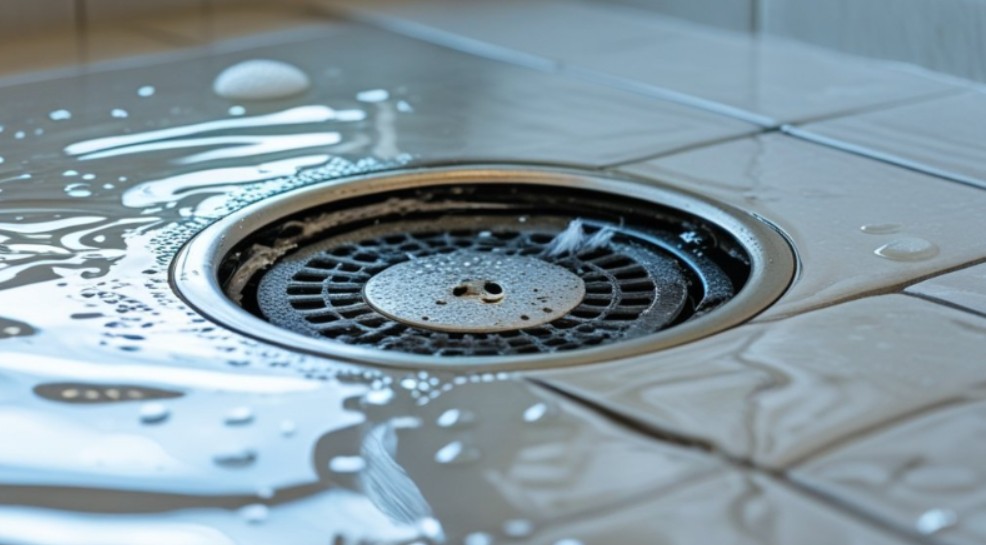
How to Unclog a Shower Drain: 5 DIY Methods You Can Try Today
Dealing with a clogged shower drain doesn’t have to be a nightmare. While water pooling around your feet is a clear sign of trouble, the solution is often simpler than you think. By understanding how to remove common culprits like soap scum and hair, you can save time and money.
In this DIY plumbing guide, you will discover:
- 5 Proven Methods: How to unclog a drain using tools you already own.
- Step-by-Step Instructions: Easy-to-follow techniques for every skill level.
- Prevention Tips: How to stop clogs before they start.
Stop the standing water today. Grab your tools, and let’s restore your shower’s drainage with these professional-grade DIY tips.
Understanding the Problem
Understanding why shower drains clog can help prevent future issues. The main culprits are everyday products used in the shower.
Hair is the most common reason for blocked drains. As you shower, hair falls and mixes with soap, forming clumps.
Next is soap scum. Soap residue can harden and stick to the pipe’s sides. This sticky substance catches other debris.
Small objects also contribute to clogs. They accidentally fall in, causing obstructions. This includes bottle caps or bits of shampoo bottles.
Clogs do more than slow drainage. They can lead to water backing up and potential water damage. Unpleasant odors might also emerge.
Knowing how to identify and fix these issues is crucial. A blocked drain left unchecked can result in costly repairs.
Regular inspection can reveal early signs of a forming clog. A good maintenance routine can keep your drains functioning.
Additionally, having the right knowledge and tools on hand for these tasks is essential. It ensures prompt action when needed.
Let’s explore the exact causes of clogs next, so you can tackle them effectively. This understanding will guide your approach.
Keeping your drainage system clear is key to a problem-free bathroom. Let’s delve into the details of what clogs a shower drain.
What Causes a Shower Drain to Clog?
Several factors can cause your shower drain to clog. Recognizing these can help in prevention and quick resolution.
- Hair Accumulation: Hair binds with soap, forming clogs.
- Soap and Product Residue: Soap scum hardens and traps more debris.
- Hard Water Minerals: Mineral buildup from hard water restricts flow.
- Small Objects and Debris: Accidental drops of small items add to clogs.
These factors mostly build up slowly over time. That’s why regular cleaning is vital to preventing these common issues.
To reduce hair clogs, consider using a drain cover. These inexpensive solutions catch hair before it enters the pipe.
Control soap scum by rinsing the drain with hot water regularly. It dissolves the residue and maintains clear pipes.
Understanding these causes allows for quick identification. Taking proactive steps can go a long way.
Signs Your Shower Drain is Stopped Up
Identifying the signs of a clogged drain early can prevent bigger problems. Here are some telltale signs to watch for:
- Slow Draining Water: If water takes longer to drain, it’s likely clogged.
- Water Pooling: Standing water around your feet points to blockages.
- Gurgling Sounds: Strange noises can indicate trapped air due to a clog.
- Unpleasant Odors: Foul smells from the drain suggest decomposition of trapped debris.
- Visible Debris: Hair or soap particles near the drain indicate the start of a clog.
Each sign signals that it’s time to address your drain issues. The sooner you take action, the better.
If left unchecked, these signs can evolve into more complex plumbing issues. Monitoring these symptoms regularly can help.
A little maintenance can prevent these problems from escalating further. Keep an eye out for these indicators routinely.
By acting swiftly at the earliest sign, you prevent unnecessary repairs. Being aware of these symptoms helps maintain a functional bathroom.
DIY Method 1: Boiling Water
Using boiling water is a simple yet effective method for unclogging shower drains. This technique is most effective for organic blockages caused by soap scum and mild grease buildup.
Boiling water helps dissolve this type of blockage. It’s an easy and cost-free solution that requires little effort. Almost every household has access to boiling water, making it a go-to choice.
Before starting, ensure your pipes are metal, as boiling water can sometimes damage PVC pipes. Check your plumbing material if you’re uncertain.
You can often clear light clogs by simply pouring boiling water down the drain. With patience, this can save you from more intensive methods.
For this method, timing matters. The sooner you act after noticing a clog, the better.
Repeated application may be necessary for stubborn clogs. Boiling water must reach the blockage to be effective.
Having hot water on hand can also serve other cleaning purposes. It’s handy to incorporate this technique into your regular drain maintenance routine.
Steps to Use Boiling Water for Unclogging
Here are the steps to effectively use boiling water to clear your clogged shower drain:
- Boil the Water: Bring a large kettle or pot of water to a rolling boil on your stove.
- Pour Slowly: Carefully pour the boiling water directly into the drain, avoiding splashing.
- Repeat if Necessary: Allow the water to work for a few minutes, then repeat the process if needed.
- Check Drainage: Monitor how quickly the water drains; if it’s slow, repeat the pouring.
- Patience: Give each attempt some time to work before trying again.
This method works best with minimal time between the boiling and pouring. It’s crucial to handle the hot water carefully to prevent burns or accidents.
Tips for Effectiveness
To enhance the effectiveness of using boiling water, consider these tips:
- Use a Kettle: Electric kettles make for quick boiling, reducing wait time.
- Timing Is Key: Pour the water immediately after boiling to retain maximum heat.
- Combine with Vinegar: After boiling water, follow up with vinegar for added cleaning power.
Incorporating these tips can make this DIY method more reliable for you. This method is a great starting point when unclogging a drain for the first time.
DIY Method 2: Baking Soda and Vinegar
Baking soda and vinegar are fantastic natural cleaners. They are known for tackling drain clogs effectively. This duo creates a fizzing reaction that can help break down blockages.
The combination of baking soda and vinegar is not only powerful but also eco-friendly. It avoids harsh chemicals and is safe for most plumbing.
For clogged drains, this method is especially great for hair and soap scum. It’s a preferred choice for those worried about pipe damage from chemicals.
To start, ensure your shower drain is as dry as possible. This allows baking soda to adhere better to the blockage. Dry pipes increase the chemical reaction’s effectiveness.
Baking soda works by expanding when mixed with vinegar. This expansion can help break apart clogs lodged in the drain.
Vinegar’s acidity aids in dissolving organic material. It contributes to loosening and clearing blockages effectively.
The key to success with this method is patience and repetition. Clogs might not dissolve immediately, so several applications could be necessary.
The method is also a preventive measure. Regular use can help keep drains clear by reducing buildup.
How to Clean Shower Drain with this Mixture
Follow these steps for a successful baking soda and vinegar cleanse:
- Measure Ingredients: Use one cup of baking soda and one cup of vinegar.
- Pour Baking Soda: Carefully pour baking soda into the dry drain, ensuring it coats the interior.
- Add Vinegar: Follow with vinegar, causing a fizzy reaction in the drain.
- Wait and Rinse: Allow the mixture to sit for 15-30 minutes, then flush with hot water.
- Repeat If Needed: Reapply for stubborn clogs or as regular maintenance.
This method is simple yet effective. Baking soda adheres to the clog, while vinegar activates its cleaning power.
Benefits of this Method
Using baking soda and vinegar offers several benefits beyond just unclogging:
- Non-Toxic: These materials are safe for the environment and your home.
- Versatile Cleaner: They can be used to clean multiple household items.
- Cost-Effective: This method is budget-friendly with no need for special equipment.
Utilizing this DIY method is an affordable and safe way to maintain clear shower drains. It’s a proven strategy, especially for those looking to avoid commercial products.
DIY Method 3: Plunger Techniques
Plungers are often seen only as toilet tools. However, they are excellent for shower clogs, too. Their simple design makes them a versatile addition to any household toolkit.
A plunger works by creating suction. This suction can dislodge stubborn clogs blocking your shower drain. It is a safe and chemical-free method.
You might be wondering if a plunger is effective on a shower drain. The answer is yes, but success depends on technique and preparation.
Preparation involves ensuring a tight seal. This is crucial for generating the necessary force. Without a proper seal, the suction is ineffective.
Water is essential during plunging. It helps create the vacuum needed to move the clog. Make sure there’s enough water in the shower to cover the plunger’s rim.
Plunging might need several attempts. Clogs may be stubborn, requiring persistence to dislodge.
It’s also an effective method for hair blockages. The suction helps lift and break down hair tangles trapped in the pipe.
Can You Use a Plunger on a Shower Drain?
Definitely, a plunger can be used on a shower drain. It may surprise many people who associate plungers with toilet use only.
Using a plunger offers several advantages. It’s a straightforward and cost-effective solution. There’s no need for fancy equipment or harsh chemicals.
So, what makes a plunger suitable for showers? Its simplicity and the power of vacuum action. This action can shift blockages safely without damaging pipes.
Here are some benefits of using a plunger on your shower drain:
- Chemical-Free: Eliminates the need for harsh chemical cleaners.
- Immediate Availability: Most homes already have a plunger.
- Simple Process: The technique involves basic actions anyone can perform.
Remember, the key is to maintain patience. Success may not be immediate and requires practice.
Proper Plunging Technique
To use a plunger effectively on a shower drain, follow these steps:
- Cover the Drain: Ensure the rubber cup fully covers the drain opening.
- Create a Tight Seal: Push down slightly to ensure air doesn’t escape.
- Fill with Water: Have enough water in the shower to cover the plunger rim.
- Plunge Firmly: Use quick, forceful pushes, maintaining the seal.
The consistency of your plunging is crucial. Avoid breaking the seal between pushes. This ensures continuous pressure applied directly to the clog.
For maximum effectiveness, repeat the process several times. Some clogs require numerous attempts to break free.
Be mindful of your drain type. Some drains might have restrictors, which can impact plunging. Adjust techniques accordingly for optimal results.
DIY Method 4: Snaking a Shower Drain
Snaking a shower drain can be a game-changer when dealing with more persistent clogs. This method works well on deep blockages that other techniques may not reach.
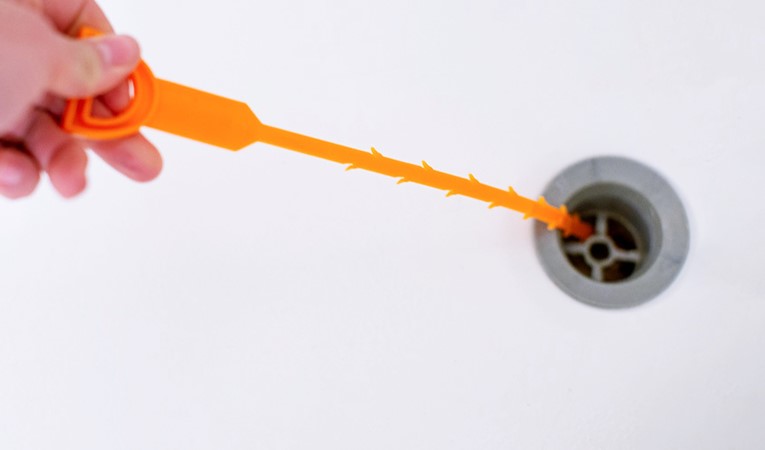
A drain snake, or auger, is a flexible tool designed to clear obstructions in pipes. It’s particularly useful for hair clogs or soap scum that gathers over time.
The idea is to feed the snake into the pipe, break up the clog, and pull out any debris. This method is effective but requires a bit of patience and care to avoid damaging your pipes.
Another advantage of snaking is its precision. It allows you to target clogs specifically without having to take apart plumbing fixtures.
Snaking is less intimidating than it sounds. Even a plumbing novice can learn to use a snake effectively with practice and attention to detail.
The flexibility of the snake makes it navigate through curves in the pipe, reaching the blockage area comfortably. Unlike chemicals, it doesn’t pose a risk to pipe integrity.
Before you begin, ensure the drain is free of obstructions like grates or covers. These must be removed to allow clear access for the snake.
This method offers a great learning opportunity. As you use the snake, you might gain insights into your plumbing and perhaps catch minor issues early.
Tools Needed for Snaking
To effectively snake your shower drain, you’ll need a few key items. These tools ensure that the task is completed efficiently and safely.
The primary tool required is a plumber’s snake. It’s crucial to use one that suits the diameter of your pipes and the type of clog.
Another helpful tool is gloves. Disposable or rubber gloves protect your hands from grime and bacteria in the drain.
A flashlight is invaluable. It helps you see what you’re dealing with and can guide the snake into the right position.
Lastly, a small bucket is useful. It can catch any water or debris that emerges from the drain during the process.
Here’s a handy list for your snaking task:
- Plumber’s snake: Choose one with the right length and flexibility.
- Gloves: Prevent contamination and protect your skin.
- Flashlight: Essential for inspecting the drain.
- Bucket: Keeps your work area clean and dry.
Equipped with these, you’re ready to tackle even stubborn clogs.
Step-by-Step Snaking Instructions
To begin snaking your drain, remove any visible obstructions like hair or soap residue around the drain opening. This preparation ensures the snake can easily enter the pipe.
Next, insert the snake into the drain. Gently feed the coil into the pipe, allowing the flexible section to follow the path of the pipe.
Once you feel resistance, you’re likely at the clog. Turn the handle of the snake clockwise. This action pushes the coil deeper and breaks up the obstruction.
Continue turning the handle while gently pushing the snake until the resistance decreases. This indicates the blockage is either cleared or broken up.
Now, slowly retract the snake. As you do, debris should come out with it. Be ready with your bucket to catch this mess.
Finally, run water to check the drainage. If it’s slow, repeat the snaking process until satisfied.
Here’s a recap to help you remember:
- Remove debris: Clear any loose hair or soap.
- Insert snake: Feed it slowly into the drain.
- Turn the handle: Break up the clog using a rotating motion.
- Retrieve the snake: Slowly pull it out, bringing debris with it.
With these steps, most standard clogs should be resolved without much hassle.
DIY Method 5: Chemical Drain Cleaners
Chemical drain cleaners can be a powerful solution for stubborn clogs. They work by breaking down blockages, making it easier for water to flow.
These cleaners contain strong acids or alkalis designed to dissolve organic materials like hair and soap scum. They are convenient and quick, often delivering results in a matter of minutes.
However, it’s important to exercise caution. Using chemical drain cleaners too frequently can damage pipes, especially older ones.
There is a range of chemical cleaners available. Some are specifically formulated for shower drains, while others are more general-purpose.
When selecting a chemical drain cleaner, consider the type of material in your pipes. This ensures compatibility and prevents damage.
A major advantage is the minimal effort required. Unlike physical methods, you can simply pour the cleaner down the drain and wait for it to work.
It’s crucial to follow all instructions on the label carefully. Adhering to these guidelines ensures safe and effective use of chemicals.
Though effective, chemical cleaners are best used as a last resort. Reserve them for situations where other methods haven’t succeeded in unclogging the drain.
What to Use to Unclog Shower Drain
When selecting a chemical drain cleaner, it’s critical to choose wisely. The right product can make unclogging much easier.
Start by assessing the severity of the clog. Heavy-duty cleaners are more suitable for severe blockages, while mild ones work for minor clogs.
Read labels to determine suitability for shower drains. Some products are specifically formulated for hair clogs, a common issue in showers.
Be mindful of your plumbing material. Caustic cleaners may not be compatible with older or PVC pipes.
Here’s a useful list of factors to consider:
- Clog severity: Choose strength based on the blockage type.
- Specific formulation: Hair-focused products are effective for shower drains.
- Pipe material: Ensure compatibility to prevent damage.
Always opt for a reputable brand with clear safety instructions. Quality products tend to be more reliable and safer to use.
Remember, while chemical cleaners are effective, they should be used sparingly to maintain the integrity of your plumbing.
Safety Precautions When Using Chemicals
Using chemical drain cleaners requires strict adherence to safety precautions. They can pose health and safety risks if misused.
First, ensure proper ventilation. Open windows or turn on fans to disperse any fumes emitted during the cleaning process.
Wearing protective gear is essential. Gloves and safety goggles shield your skin and eyes from harmful chemicals.
It’s crucial not to mix different chemical products. Doing so can create hazardous reactions, producing dangerous gases.
Keep children and pets away from the area while using these products. Their curiosity could lead to accidental exposure or ingestion.
Here’s a list of vital safety practices:
- Ventilate the area: Prevent inhaling toxic fumes.
- Use protective gear: Wear gloves and goggles.
- Avoid mixing products: Prevent hazardous chemical reactions.
Store any leftover cleaner in a secure, out-of-reach location. Proper storage prevents accidental spills or access by young family members.
With these precautions in mind, chemical cleaners can be used effectively and safely as a part of your drain unclogging toolkit.
Prevention Tips
Keeping your shower drain free from clogs requires a proactive approach. Prevention is more effective and less messy than dealing with blockages after they form.
A simple and effective tactic is installing a shower drain cover. This small device catches hair and debris before it can enter the pipes.
Regularly cleaning the drain cover helps prevent buildup. A quick rinse after each shower can keep it from becoming another blockage source.
Consider implementing a weekly flushing routine. Pouring hot water down the drain can help dissolve any starting buildups of soap and grease.
Be mindful of the products you use while showering. Choosing soap that rinses clean can minimize soap scum accumulation.
Here’s a handy list for minimizing potential clogs:
- Use a drain cover: Prevents large debris from entering the drain.
- Flush with hot water: Dissolves grease and soap scum.
- Select appropriate soap: Reduces soap scum buildup.
Monitoring your shower routine and being conscious of what goes down the drain can have significant long-term effects. Simple habits can mean fewer clogs.
Adopting these preventive measures can save time, money, and effort in the future. Protect your plumbing by staying one step ahead.
How to Prevent Future Clogs
Preventing future clogs starts with minimizing the hair and soap scum that goes down the drain. Small habits can make a big difference over time.
Start by brushing your hair before showering. This reduces the amount of hair that might fall and end up in the drain.
Using soap that produces little residue can prevent soap scum build-up. Less residue means fewer clogs and a clearer drain.
Regularly inspect your shower drain for signs of buildup. Early detection can prevent clogs from becoming serious problems.
Here’s a quick list of effective preventive measures:
- Brush hair before showering: Reduces hair in the drain.
- Use low-residue soap: Minimizes soap buildup.
- Regular inspection: Detect problems early.
Implementing these habits consistently can help keep your shower drain clear and your plumbing in good condition.
Regular Maintenance of Shower Drain
Regular maintenance is key to ensuring your shower drain functions smoothly. It helps prevent issues from becoming severe.
Schedule a monthly clean-up of the shower drain area. This can involve removing the drain cover and cleaning out any visible debris.
Using natural solutions can help maintain the cleanliness of your pipes. For instance, a simple mix of baking soda and vinegar can help clear minor debris.
Flush your shower drain with hot water weekly. This habit can dissolve potential clogs before they fully form and build up.
A helpful list of maintenance steps includes:
- Monthly clean-up: Check and clean the drain cover.
- Use natural solutions: Use baking soda and vinegar as a regular rinse.
- Weekly hot water flush: Keeps residue from forming clogs.
Maintaining your shower drain doesn’t have to be time-consuming or complicated. A little effort each month can prolong the health of your plumbing system.