We’ve all been there: you’re brushing your teeth or washing the dishes, and suddenly, the water just won’t go down. Clogged drains are an annoying, everyday household issue that can quickly disrupt your routine.
The good news? You don’t always need to call an expensive plumber right away. Whether you are dealing with a slow-draining bathroom sink or a completely blocked kitchen pipe, understanding how to unclog a drain can save you both time and money. In this guide, we’ll explore practical, eco-friendly, and highly effective methods to get your plumbing flowing smoothly again.
Understanding Drain Clogs: Causes and Signs
Identifying the cause of a clogged drain is vital. Common culprits include hair, grease, and soap scum. Each type requires a unique approach to clear.
Clogs exhibit various signs. Slow draining water is the most noticeable. Unpleasant odors are another indicator of a blockage.
By recognizing these signs early, you can prevent the situation from worsening. Here’s a quick list of common causes:
- Hair and soap scum in bathroom drains
- Grease and food particles in kitchen sinks
- Foreign objects or sediment in outdoor drains
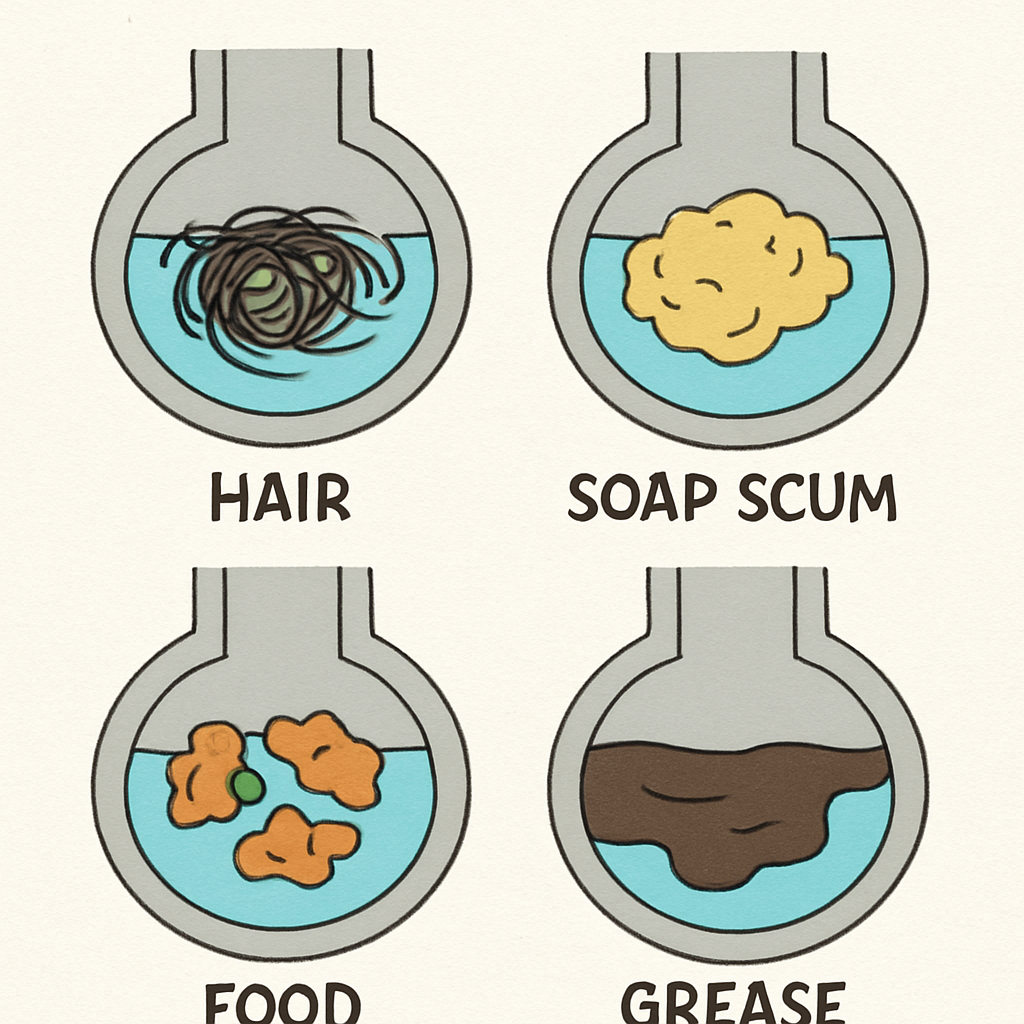
Understanding these causes helps in tackling the problem efficiently. Awareness is the first step. It aids in both immediate fixes and future prevention.
Essential Tools and Safety Tips for Unclogging Drains
Before tackling a clogged drain, ensure you have the right tools. Simple items can make the task much easier. A well-equipped toolkit includes a plunger, a drain snake, and rubber gloves.
Safety is crucial when unclogging drains. Protect your eyes and hands from potential splashes. Wearing goggles is wise, especially when using chemical cleaners. Ensure good ventilation to avoid inhaling any fumes.
Here’s a quick list of essential tools and safety gear:
- Plunger for initial unclogging attempts
- Drain snake for stubborn blockages deep in pipes
- Gloves and goggles for personal protection
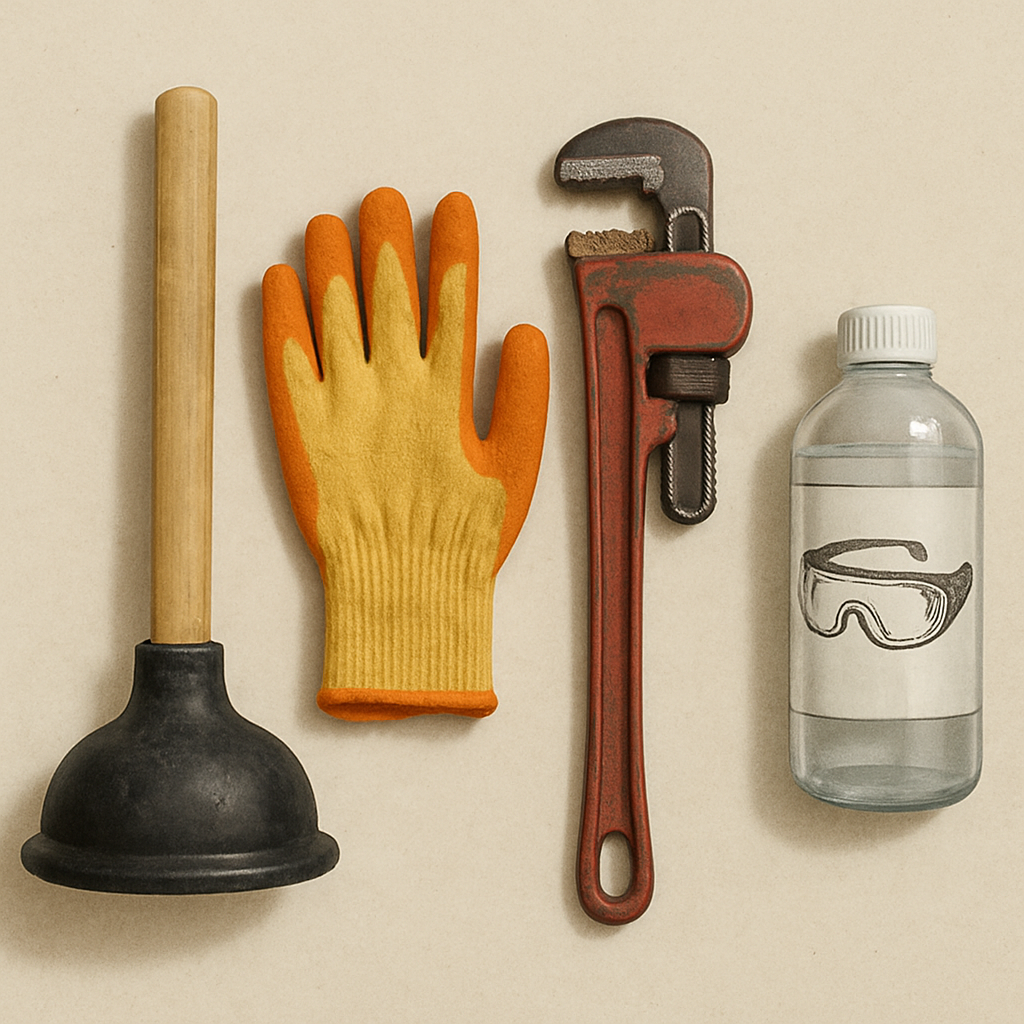
Knowing the appropriate tools and safety precautions ensures an effective and safe process. Proper equipment saves time and reduces risk of damage to your plumbing.
Quick DIY Solutions: Boiling Water, Baking Soda, and Vinegar
Simple DIY methods can quickly unclog drains without harsh chemicals. One effective approach is using boiling water. It helps dissolve grease and soap scum in pipes.
A popular remedy is the combination of baking soda and vinegar. Begin by pouring baking soda down the drain. Follow with vinegar, which reacts to break down blockages.
Allow this mixture to sit for about 15 minutes. Rinse the drain with hot water to help clear remaining debris. This method is safe for most types of plumbing.
Here’s a step-by-step list for using this method:
- Pour 1 cup of baking soda into the drain
- Add 1 cup of vinegar and let it fizz
- Wait 15 minutes, then flush with hot water
Utilizing these household items is cost-effective and eco-friendly. They not only unclog but also help deodorize drains, maintaining freshness. Embrace these simple solutions for quick and effective results.
Mechanical Methods: Plungers, Drain Snakes, and Wet/Dry Vacuums
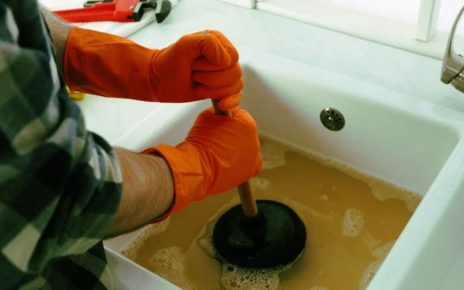
Mechanical tools are essential for tackling stubborn drain clogs. Plungers are a great starting point for most blockages. They work by creating pressure to dislodge obstructions.
Ensure you have the right plunger for the job. Cup plungers suit sinks, while flange plungers work well for toilets. Proper technique is vital for effectiveness.
Drain snakes, also called augers, can reach further down pipes. They are perfect for clogs deeper in the drainage system. Insert the snake into the drain and twist to break up the clog.
For powerful suction, consider a wet/dry vacuum. This tool can remove obstructions that plungers and snakes might miss. It’s especially useful for clogs caused by small objects.
Here’s how to employ these mechanical methods:
- Use a plunger to create pressure and release the clog
- Insert a drain snake to reach deeper obstructions
- Use a wet/dry vacuum to suck out debris

These tools can often resolve significant clogs without professional help. For best results, keep them handy in your home toolkit. They offer a practical approach to clear blocked pipes effectively.
Natural and Eco-Friendly Remedies for Stubborn Clogs
Tackling stubborn drain clogs can be both eco-friendly and effective. Natural methods often provide safe alternatives to harsh chemicals. They not only clear blockages but also minimize environmental impact.
A simple yet powerful remedy involves baking soda and vinegar. This combination creates a fizzing action that breaks down clogs naturally. Just pour baking soda into the drain, followed by vinegar.
If dealing with grease or soap buildup, boiling water is invaluable. It helps dissolve stubborn residues, easing water flow. Use caution to avoid burns when pouring hot water into drains.
For more persistent clogs, consider enzyme-based cleaners. These products rely on natural bacteria to eat away at organic matter, keeping drains clear without harming pipes.
Eco-Friendly Clog Solutions:
- Mix baking soda and vinegar for a fizzy cleanse
- Use boiling water to dissolve grease and soap
- Opt for enzyme-based cleaners for organic blockages
These natural methods offer a green alternative to common commercial products. Implement them regularly for cleaner, more efficient drains. They ensure a healthier home without compromising the environment.
How to Unclog Specific Drains: Kitchen, Bathroom, and Outdoor
Different drains encounter unique issues, requiring tailored solutions. In the kitchen, grease and food scraps are common culprits. Avoid these by not pouring oil down the sink and using a strainer.
To unclog a kitchen drain, start with hot water. Follow with a mix of baking soda and salt to break up residue. This concoction can tackle minor clogs effectively.
In bathrooms, hair and soap scum build-up is prevalent. A wire hanger can serve as a handy tool. Bend it to fish out any visible debris through the drain cover.
Outdoor drains may suffer from leaves and dirt. Regularly clear debris, and use a pressure washer for stubborn blockages. This equipment is effective in flushing away accumulated buildup.
Drain-Specific Solutions:
- Kitchen: Use hot water and baking soda
- Bathroom: Employ a wire hanger for hair
- Outdoor: Utilize a pressure washer for debris
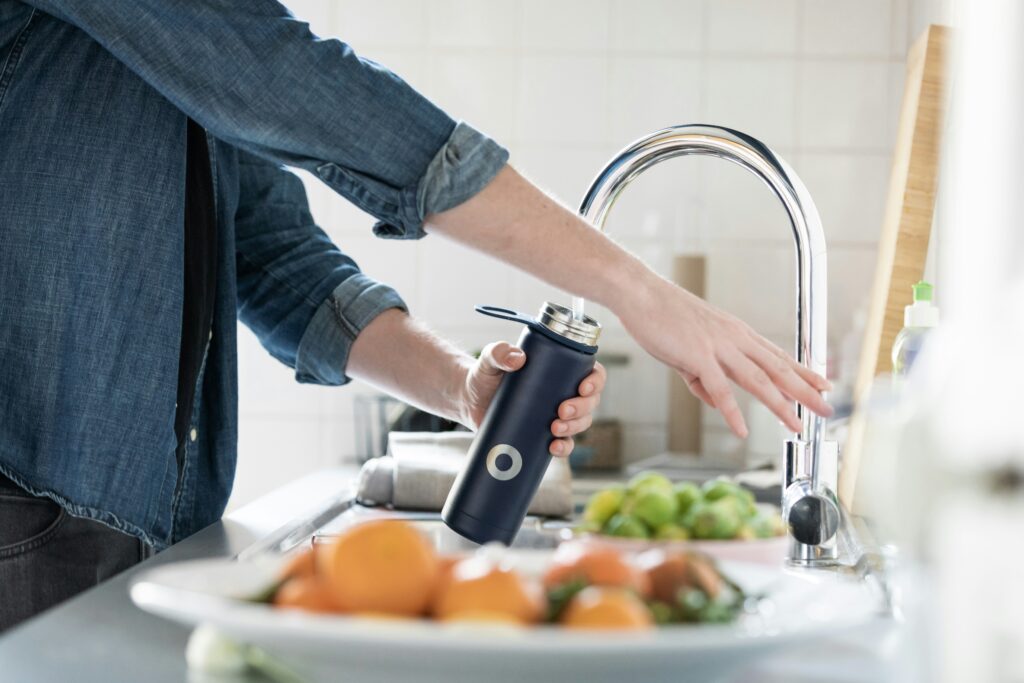
Tailoring methods to each drain type ensures optimal results. Regular maintenance aids in preventing future clogs and maintaining smooth drainage across all areas.
When to Use Chemical Cleaners (and When to Avoid Them)
Chemical cleaners can provide quick relief for stubborn clogs. They are especially useful when natural methods fail. However, caution is key when using these powerful solutions.
Overuse of chemical cleaners can damage pipes, especially in older systems. The harsh chemicals may corrode certain materials over time. It is best to use them sparingly and follow instructions closely.
Consider avoiding chemical cleaners when dealing with septic systems. They can disrupt the balance of bacteria necessary for proper functioning. Instead, opt for enzyme-based cleaners in such scenarios.
When to Consider Chemical Cleaners:
- Stubborn Clogs: If DIY methods don’t work
- Pipe Material: Ensure compatibility to prevent damage
- Non-Septic Systems: To avoid ecological imbalance
Preventing Future Clogs: Maintenance and Best Practices
Preventing clogs is simpler than fixing them. Regular maintenance helps keep your drains clear and flowing smoothly. Consistent care reduces the likelihood of stubborn clogs forming.
Avoid pouring grease, oils, or coffee grounds down the kitchen sink. These materials harden over time and cause serious blockages. Use a waste container for proper disposal instead.
Keep sink and shower drains free of hair and debris by using a drain cover. It’s an inexpensive tool that significantly reduces clogs. Clean the cover regularly to maintain optimal effectiveness.
Incorporate regular drain cleaning into your home maintenance routine. Simple actions, like flushing with hot water and vinegar, help prevent buildup. Following a maintenance schedule ensures you won’t forget these crucial steps.
Best Practices for Drain Maintenance:
- Use Drain Covers: Prevent hair and debris from entering drains
- Dispose of Grease Properly: Use containers, not the sink
- Regular Cleaning: Use hot water and vinegar monthly
When to Call a Professional Plumber
Sometimes, even the best DIY efforts aren’t enough. Recognize when it’s time to bring in a professional. Persistent clogs might indicate a deeper, more complex issue.
If multiple drains are slow or emit foul odors, this might point to a more serious system-wide problem. In such cases, contact a plumber for expert evaluation and repair.
Indicators That Require Professional Help:
- Multiple Slow Drains: Sign of serious plumbing issues
- Persistent Clogs: DIY methods fail repeatedly
- Foul Odors: Potential sewer line problems
Frequently Asked Questions About Unclogging Drains
Unclogging drains can be confusing. Many people have similar concerns and questions. Here are common inquiries to help clarify the process.
What can naturally unclog a drain? Natural ingredients like baking soda and vinegar are effective. They work well together to clear minor clogs without harming pipes.
How often should drains be cleaned? Regular cleaning is key. Flushing with hot water and vinegar monthly can prevent buildup and keep drains clear.
Quick Answers to Common Questions:
- Natural Solutions: Baking soda and vinegar
- Regular Maintenance: Monthly cleanings recommended
- When to Worry: Persistent clogs may need professional attention
Understanding these basics can make drain maintenance much easier.
Conclusion: Keeping Your Drains Clear and Flowing
Maintaining free-flowing drains ensures a trouble-free home. Regular care and use of natural cleaning agents can keep drain clogs at bay. Timely intervention prevents minor issues from becoming big headaches.
Prioritize a routine of prevention and quick responses to clogs. Adopting good habits, like avoiding pouring grease and using drain covers, pays off. A bit of effort now can save time and expense later. Keep your plumbing in top shape for peace of mind.