It was a stormy October afternoon in Ohio, and 3 inches of rain fell in just two hours. I noticed water pooling dangerously close to my foundation instead of flowing toward the street. The culprit was a completely blocked corrugated pipe buried beneath my front lawn. Figuring out exactly who to call for clogged downspout issues became my top priority before the standing water breached my basement walls. I ultimately hired a professional underground drain cleaning service to clear a massive 15-foot root and mud blockage. In this guide, I share my precise method for diagnosing exterior drainage failures. You will learn the 4 primary causes of buried pipe blockages and discover 5 actionable steps to restore proper water diversion away from your property. Check out my main guide on Drainage Emergency Callout for indoor plumbing crises, if you are experiencing internal sewer backups.
What is an Underground Downspout Drainage Problem?
An underground drain system consists of buried PVC or corrugated plastic pipes that direct rainwater securely away from a house’s concrete foundation. This exterior plumbing network connects directly to the vertical gutter downspouts located on the exterior walls. A systemic failure occurs when organic debris, heavy sediment, or invasive plant roots obstruct these buried lines, forcing hundreds of gallons of rainwater to overflow directly at the foundation level.
This overflowing water exerts immense hydrostatic pressure on basement walls, leading to severe structural cracks, bowed walls, and costly indoor flooding. Maintaining clear exterior drainage protects the long-term structural integrity of your home. You must actively differentiate between a simple leaf clog at the roofline and a deep subterranean blockage. An underground blockage requires specialized exterior diagnostic tools, such as waterproof sewer inspection cameras, to locate the exact point of failure deep beneath the topsoil.
4 Primary Causes of Underground Drainage Failures
The 4 primary causes of underground drainage blockages include accumulating organic debris, collapsing corrugated pipes, building up heavy shingle grit, and intruding tree roots. Understanding these specific environmental factors helps you prevent future foundation flooding and expensive landscaping repairs.
- Accumulating organic debris from autumn foliage: Thick leaves, pine needles, and small twigs wash down the vertical gutters and settle heavily into the horizontal underground pipes. Common Midwestern trees, such as red oaks and sugar maples, drop massive, dense leaves that create wet, impenetrable mats. These leaves completely block normal water flow within just 3 to 4 weeks during the fall season. This organic matter decomposes very slowly in the dark, damp subterranean environment, forming a thick, sludge-like barrier that traps additional yard dirt and completely neutralizes the pipe’s capacity.
- Collapsing cheap corrugated plastic pipes: Many residential homes built in the 1990s utilize inexpensive, flexible corrugated plastic tubing for underground drainage systems. Driving heavy riding lawnmowers, parking heavy vehicles on the grass, or experiencing natural soil settling over the decades crushes these thin plastic walls permanently. A crushed underground pipe immediately halts all water flow, forcing water back up the downspout. Resolving a crushed line requires a complete yard excavation and a total replacement with rigid, heavy-duty Schedule 40 PVC piping.
- Building up heavy asphalt shingle grit: Standard asphalt roofing shingles shed millions of tiny, highly abrasive granules during severe thunderstorms and heavy winds. These heavy stone granules wash quickly into the downspouts and settle permanently at the bottom curves of the horizontal underground lines. Over a period of 5 to 7 years, this concentrated grit forms a heavy, concrete-like barrier that standard garden hoses cannot wash away. The heavy sediment acts as a dam, holding water inside the pipe during freezing winter months.
- Intruding aggressive tree roots into pipe joints: Large landscaping trees and mature shrubs actively seek out the constant moisture present inside underground drainage systems during dry summer months. Microscopic root hairs penetrate the unsealed connection joints of PVC, clay, or corrugated pipes. Once inside the nutrient-rich water stream, they expand rapidly, creating massive root balls spanning several feet. These dense biological blockages require an industrial-grade underground drain cleaning service utilizing specialized steel cutting heads to sever and extract completely.
5 Immediate Steps to Clear an Underground Downspout
To restore your exterior water flow, you must disconnect the downspout adapter, flush the line with high pressure, deploy a manual steel auger, utilize a wet/dry vacuum, and hire a professional underground drain cleaning service. I utilized these exact 5 steps to permanently resolve the dangerous water pooling around my Ohio property.
- Disconnect the vertical aluminum downspout from the black underground adapter piece using a standard Phillips-head screwdriver or a power drill. Removing this physical connection gives you direct visual and physical access to the buried pipe opening. Inspect the first 12 inches with a flashlight to ensure the blockage is not located right at the surface level.
- Flush the underground line by inserting a heavy-duty 5/8-inch garden hose exactly 3 feet into the buried pipe. Turn the exterior water spigot to maximum pressure to push out minor, loose blockages like fresh mud or small leaves. Observe the water level closely; shut off the water immediately to prevent flooding the immediate foundation area, if the water backs up to the surface within 10 seconds.
- Snake the subterranean pipe using a 50-foot manual steel drain auger, commonly purchased at Home Depot or Lowe’s for around $40. Push the metal cable deep into the ground until you hit solid physical resistance, then rotate the manual handle clockwise forcefully to break up the dense leaf and mud compaction. Retract the cable slowly to pull chunks of the blockage out of the hole.
- Vacuum the access point using a 5-gallon heavy-duty Shop-Vac set specifically to the wet-suction function. Creating powerful negative pressure at the pipe entrance successfully extracts loose asphalt shingle grit, trapped pine needles, and stagnant dirty water from the first 10 to 15 feet of the line.
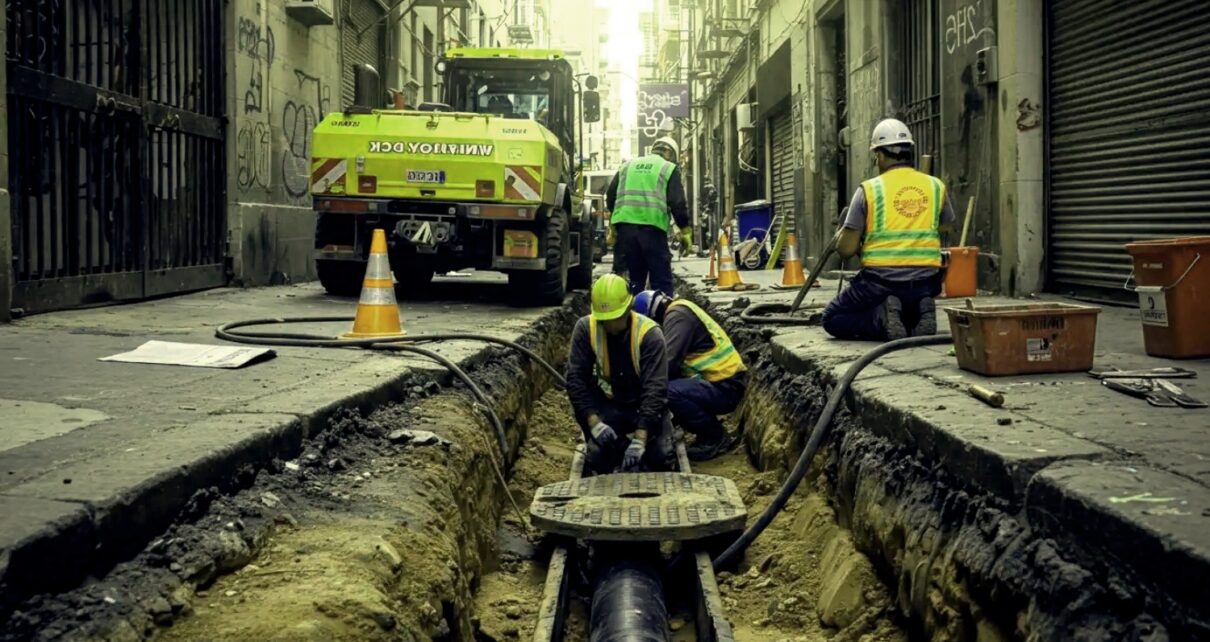
- Hire a professional underground drain cleaning service, if the exterior pipe remains completely blocked after your manual extraction attempts. I contacted a highly rated local exterior plumbing specialist, and they utilized a commercial 4,000 PSI hydro-jetting machine. The extreme high-pressure water streams obliterated the compacted shingle grit and severed the thick tree roots deep within my yard. This specialized service cost me exactly $350 for the complete clearing and inspection.
Frequently Asked Questions About Clogged Downspouts
Who to call for clogged downspout issues connected to buried lines? To resolve a clogged downspout connected to a buried underground line, you must call an exterior drainage specialist or a licensed plumber equipped with hydro-jetting technology. Standard roofing and gutter contractors only handle roof-level issues, whereas subterranean pipe blockages require specialized underground plumbing equipment and sewer cameras.
How much does a professional underground drain cleaning service cost in the US? A professional underground drain cleaning service costs between $200 and $500 across the United States. The total exact price depends heavily on the total linear length of the buried pipe, the severity of the root intrusion, and the specific hydro-jetting equipment required to break the blockage.
How often do underground downspout drains require professional maintenance? Underground downspout drains require professional cleaning once every 2 to 3 years. Homes surrounded by mature pine, oak, or maple trees require strict annual maintenance during the late autumn months to prevent severe organic blockages and foundation flooding.
Final Thoughts on Exterior Drainage Solutions
Maintaining clear and functional underground downspout lines prevents catastrophic foundation damage and expensive basement flooding scenarios. By identifying the root causes early and utilizing a professional underground drain cleaning service when necessary, you ensure that rainwater flows safely and efficiently away from your property. Have you ever dealt with a crushed exterior corrugated pipe or a stubbornly clogged downspout during a heavy storm? Share your personal troubleshooting experiences and your preferred local Ohio contractors in the comments section below!