Effective Methods for Cleaning Outdoor Drains
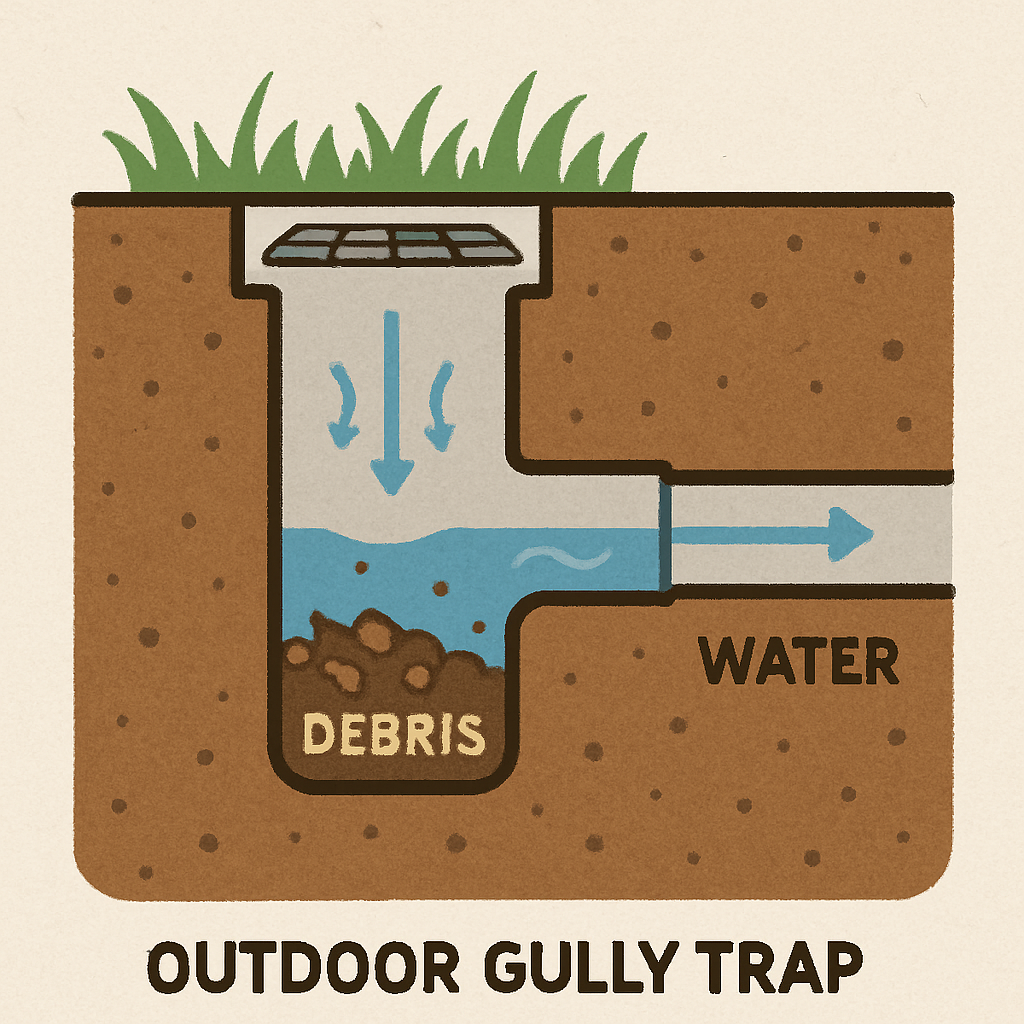
You notice a pool of water hovering over your patio grate after a sudden downpour, and it is completely refusing to budge. According to home maintenance experts, these drains act as the primary line of defense for your property’s foundation, making that stagnant puddle a serious risk. Most clogged outdoor drain issues actually start right below the grate in the gully trap—the open basin designed to catch heavy debris before water enters the main pipe. Over time, autumn leaves and heavy silt buildup create a hydraulic bottleneck, acting exactly like a severe traffic jam that forces water to back up into your yard.
Spending just thirty minutes on outdoor drain cleaning can prevent a $500 emergency plumbing bill later this season. Knowing how to clean outside drain systems effectively requires understanding the difference between a simple surface blockage and a pipe-deep clog caused by compacted domestic waste. Before the next major storm hits, identifying these blockages, utilizing the safest manual clearing techniques, and following a regular maintenance schedule will keep your property dry.
The DIY Drain Kit: Essential Tools for a Clog-Free Home
Before you grab a kitchen ladle to tackle that murky puddle, remember that stagnant water is a breeding ground for harmful bacteria. Proper protective equipment for domestic drainage cleaning is non-negotiable to keep foul splashes out of your eyes and off your skin. Instead of ruining your everyday household utensils, you can easily assemble a professional-grade kit for under $30. Gather this essential equipment for domestic sewer maintenance:
- Heavy-duty rubber gloves
- Safety goggles
- A gully scoop or trowel
- A flat-head screwdriver
- A bucket
- A garden hose
Having the correct item for each physical motion makes this messy job surprisingly easy. While your screwdriver provides the leverage needed to pop open a heavy metal grate, reaching into the drain requires a dedicated gully scoop—a specialized cup on a stick—to lift out compacted wet leaves without dropping them back into the water. Once your eyes are shielded and your gloves are securely on, you are fully prepared to face the muck without risking your health. With your tools staged, clearing the surface gully trap and grate is the practical next step.
Surface Solutions: Clearing the Gully Trap and Grate
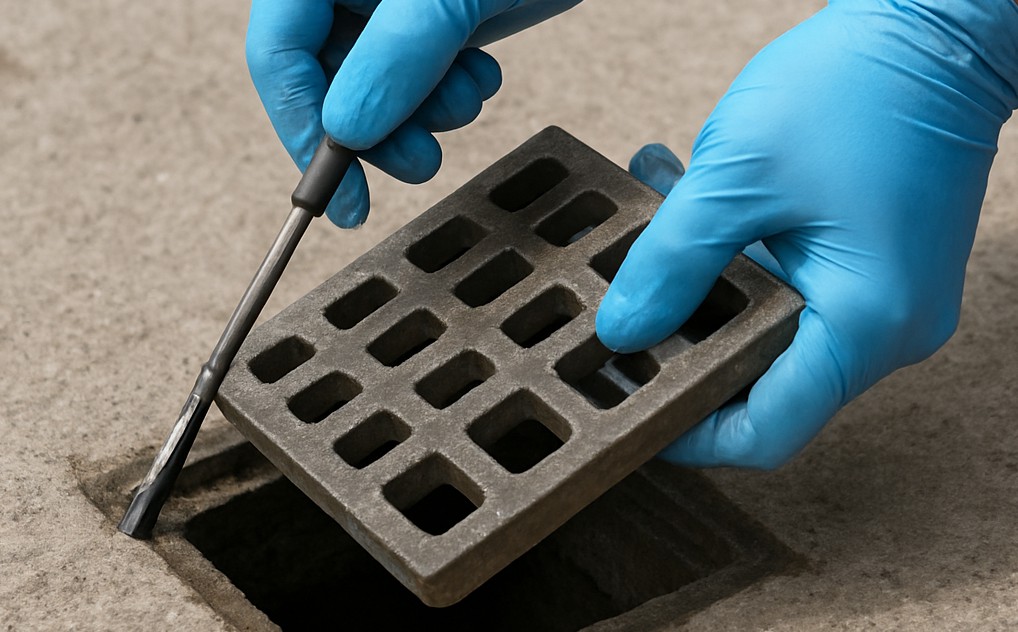
Tackling an outside drain clogged with muck starts with the surface level “easy win.” Wedge your flat-head screwdriver under the edge of the metal grate to break the dirt seal holding it hostage. If it’s rusted, gently wiggle the tool to loosen it rather than prying forcefully, protecting the surrounding concrete from cracking. Set the heavy cover aside to reveal the basin below.
Inside the exposed pit, you will likely find a thick paste of decaying organic matter. Grab your scoop and bucket to begin clearing debris from gully traps, pulling out everything from heavy silt to the compacted mulch leftover from removing leaves from rain gutter downspouts. Think of this like digging in a wet sandbox. Scoop methodically, dumping the foul-smelling sludge directly into your bucket. Keep scraping until you expose the actual drain pipe opening.
The final step is testing your work by pouring a bucket of clean water into the emptied pit. If the water creates a fast-moving mini-vortex and disappears, your surface cleaning was a complete success. However, if the water simply pools up again, the blockage is hiding further down the line. When that standing water stubbornly refuses to budge, deep pipe retrieval through the clockwise-only drain rod technique is necessary.
Deep Pipe Retrieval: Master the Clockwise Only Drain Rod Technique
When surface cleaning fails and water stubbornly pools in the gully, the blockage is hiding further down the horizontal pipe. To unclog outdoor drain pipe systems at this depth, you need a drain rod assembly—a series of flexible, screw-together sticks designed to reach deep into your plumbing.
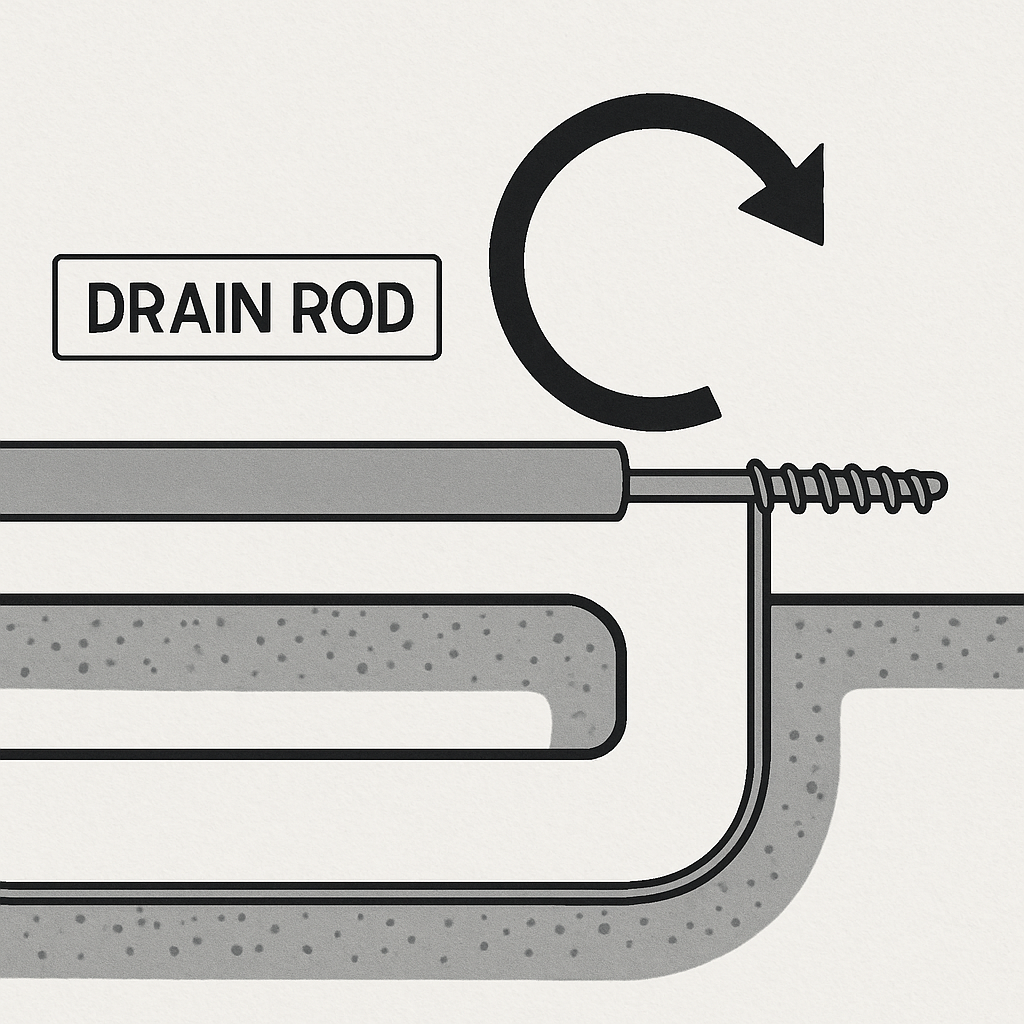
Learning how to clear outside drain pipe blockages effectively requires paying attention to what the tool hits underground. If the rod feels spongy, you have hit a soft clog like wet leaves; if it stops with a solid “thud,” you are likely facing hard debris or invasive tree roots. To break through either obstacle without losing your tool in the pipe, you must master the 3-step ‘Clockwise Only’ drill:
- Screw rods together tightly.
- Push into pipe while twisting right.
- NEVER twist left or the rods will unscrew.
Once you break through the mass and the trapped water finally drains away, pull the assembly out while carefully maintaining that right-hand rotation. While physically punching through debris clears the initial path, heavily coated pipe walls may require the advantage of a pressure washer to completely remove sticky grime.
The Pressure Washer Advantage: Blasting Silt and Sludge Safely
Punching a hole through a blockage with a rod gets water moving, but it often leaves a narrow tunnel surrounded by packed dirt. This stubborn grime, known as silt compaction, requires the flushing power of hydrostatic clearing to wash away. Think of it like using your thumb over a garden hose to blast mud off a driveway; focused water pressure pushes fine particles down the line better than a solid stick ever could. For minor sludge, you can create a simple outdoor drain unblocker by pushing your garden hose deep into the pipe and turning the faucet on full blast to break up the loose sediment.
When a standard hose fails to completely unclog outdoor drain systems, upgrading to a pressure washer with a drain jetting attachment is your next step. This clever nozzle shoots water backwards, propelling itself deep into the plumbing while scouring the walls clean, which is crucial for preventing silt buildup in soakaways. However, use the lowest effective pressure setting around fragile clay pipes, as aggressive blasting can cause cracking. Once the pipe is clear and flowing smoothly, neutralizing any lingering funk in the air is the final step to a clean basin.
Banishing the Rotten Egg Smell: Natural Maintenance Hacks
Wondering why does my outside drain smell like rotten eggs after clearing a blockage? The culprit is usually organic biofilm—a slimy, stinking layer of decaying leaves and bacteria clinging to the basin walls. When comparing caustic chemical cleaners vs eco-friendly alternatives, natural solutions for outdoor drain maintenance always win. Harsh liquids can corrode older pipes and pollute groundwater. Instead, you can safely neutralize those acidic odors using this simple kitchen pantry mix:
- The ‘Eco-Clear’ Recipe: 1 cup baking soda, 1 cup white vinegar, followed by 1 gallon of hot (not boiling) water.
That bubbling reaction breaks down the smelly grime through pH neutralization. Flushing it with hot water then safely melts leftover sludge without the dangerous, pipe-warping heat generated by chemical melters. Treat your drain with this recipe every three months to prevent stinks from returning. However, if foul odors persist despite your regular maintenance efforts, you may have a broken trap or deeper sewer line issues.
Know Your Limits: Red Flags That Require a Professional Plumber
A stubborn blockage often means your DIY toolkit isn’t enough. When identifying causes of standing water near exterior drains, examine the surrounding ground. Sinking grass or cracked asphalt are clear signs of a collapsed underground drainage pipe. Another hidden enemy is tree root infiltration. Thirsty roots easily crush older pipes while seeking moisture. Because these dense tangles require heavy-duty mechanical cutting blades to clear, your ordinary drain rods will be completely useless.
Pay attention to how water behaves when flushed. If it immediately “rebounds” or bubbles back up, the blockage sits deep at the municipal connection point. Knowing when to hire a professional drainage company prevents you from accidentally worsening these structural issues. Once a blockage is effectively cleared, confirming proper flow establishes a baseline for future maintenance.
The Whirlpool Test: Confirming Your Success and Setting a Schedule
You no longer have to dread heavy rainstorms. To confirm your hard work paid off, grab a bucket and perform the “Whirlpool Test.” Pour water directly into the basin; you want to see a mini-vortex and hear the satisfying sound of water rushing perfectly down the pipe. Once you see that, you have successfully conquered unblocking driveway channel drains.
To ensure you aren’t repeating this chore every month, follow this three-step future-proof plan for effortless outdoor drain maintenance:
- Perform the Whirlpool Test after heavy storms.
- Prevent clogs by installing leaf guards for drainage systems—a cheap, set-and-forget solution.
- Set a calendar reminder for a post-autumn clearing.
This simple routine saves hours of future work, ensuring your drainage system remains clear and your property stays protected from unexpected water damage.