Have you ever woken up, stumbled into the bathroom to wash your face, and realized the sink is just staring back at you with a pool of stubborn, murky water? Or maybe you’re in the kitchen, washing dishes, and the water starts slowly rising like an impending flood? Let’s be honest: absolutely no one wants to be in a situation where there is a drain problem. A toilet that won’t flush or a kitchen sink with an unidentified obstruction can turn a perfectly good day into a stressful ordeal.
But as we navigate through 2026, home maintenance is just a part of life. When the plunger fails and the baking soda trick doesn’t cut it, you’re inevitably going to ask yourself: how much is a drain cleaning service going to cost me? If you are dreading the bill, take a deep breath. In this comprehensive guide, we are going to break down the current prices, the hidden factors that affect the final estimate, and everything you need to know before you call a drain service near me to rescue your pipes. Let’s dive in!
Why a Clogged Drain is Every Homeowner’s Nightmare
A clogged pipe is basically like a multi-car pileup on the city’s busiest highway. One thing gets stuck, and suddenly, the entire system comes to a grinding halt. You can’t run the dishwasher, you can’t take a relaxing shower, and let’s not even talk about the strange, lingering odors that start creeping through your hallways. It doesn’t just disrupt your plumbing; it paralyzes your entire daily routine.
What Exactly is a Professional Drain Cleaning Service?
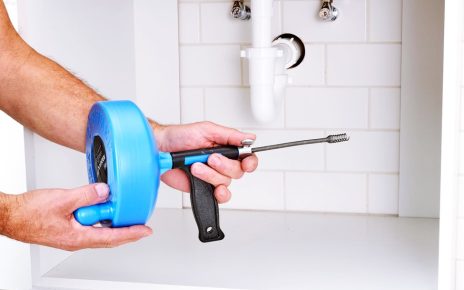
When you finally decide to throw in the towel and call in the pros, what are you actually paying for? A professional drain cleaning service isn’t just a guy with a plunger. It involves a skilled local plumber diagnosing the exact root of the blockage and clearing the drain safely. They use specialized tools to remove the buildup—whether it’s years of accumulated grease, stubborn hair clumps, or that tiny plastic toy your toddler swore they didn’t flush—without causing any damage to your existing plumbing infrastructure.
| The place of the clog | Average drain service cost |
| Kitchen sink | $100 to $300 |
| Bathroom sink, shower, or tub | $175 to $300 |
| Laundry drain | $175 to $275 |
| Toilet | $150 to $400 |
| Main sewer line | $100 to $850 |
The Average Drain Cleaning Service Cost in 2026
Let’s cut right to the chase. The most common reply to your question, “how much is a drain cleaning service?” is thankfully not as terrifying as you might think. Even with modern inflation and 2026 market adjustments, the average cost across the country typically sits between $150 and $200.
What Does the Standard Service Fee Include?
You might be wondering what that $150 to $200 actually covers. Generally, the expense of the drain cleaning service cost, identifying the blockage, and clearing the drain are all included in this estimate. The majority of plumbing businesses have a set pricing model for that initial visit, which almost always covers the first hour of labor.
Hourly Rates vs. Flat Fees: Which is Better?
While many plumbers still charge by the hour to unclog a drain, a growing trend in 2026 is the shift toward flat-rate pricing. Some plumbers have set prices for routine tasks like a standard drain cleaning service. If you have a simple, straightforward clog, an hourly rate might work in your favor. However, a flat fee (usually ranging from $50 to $200 for the visit) protects you from sky-high bills if the plumber ends up wrestling with your pipes for three hours. Always get an estimate before authorizing the work!
Key Factors That Affect Your Drain Cleaning Service Cost
Why do some people pay $75 while others are left staring at a $500 invoice? The truth is, plumbing isn’t one-size-fits-all. The final drain cleaning service cost is determined by three main variables: the location of the blockage, the method the professional plumbers employ to remove it, and whether or not you require additional plumbing repairs.
1. The Exact Location of the Blockage
Location is everything—even in plumbing! The drain service cost to have a skilled plumber remove your blockage depends heavily on where it is. In general, fixing issues with accessible pipes within your home (like your kitchen sink or toilet) is much cheaper than repairing blockages in exterior pipes leading to the sewer or your main line.
Let’s break down the national average drain service costs in 2026 based on where the clog is hiding:
Kitchen Sink Blockages: Dealing with Grease and Grime
Kitchen sinks are notorious for trapping food scraps, coffee grounds, and congealed cooking oils. Because these clogs are usually close to the surface, they are relatively easy to tackle. You can expect to pay anywhere from $100 to $300 to get your kitchen sink draining like new again.
Bathroom Sink, Shower, or Tub: The Hairy Truth
Bathrooms are the ultimate gathering place for hair, soap scum, and toothpaste residue. When your tub stops draining, there is almost certainly a massive hairball lurking just out of sight. Clearing these out requires a bit more effort than a kitchen sink, bringing the average cost to between $175 and $300.
Toilet Clogs: A Situation Nobody Wants to Face
Toilet clogs are a special kind of emergency. Often caused by flushing things that have no business being in a toilet (looking at you, “flushable” wipes), these blockages can be stubborn. Depending on whether the plumber needs to use a simple auger or actually remove the toilet from the floor to reach the clog, this will cost you between $150 and $400.
Laundry Drain and Main Sewer Line Nightmares
If your laundry drain is backing up, expect to pay around $175 to $275. But if you have water backing up in multiple fixtures at once, you might be facing a main sewer line clog. This is the big leagues. Clearing a main line requires heavy-duty equipment, and depending on the severity (like tree roots invading the pipes), it can cost anywhere from $100 to $850.
2. The Methods and Technology Used by Plumbers
The days of just blindly poking a metal snake down a drain are fading. Today, plumbers use advanced technology, and the method they choose impacts your bill. If they need to use a high-pressure hydro-jet to blast away years of calcified grime, your cost will naturally be higher than a standard snaking job.
Video Camera Inspection: High-Tech Plumbing
What happens if the plumber uses their standard tools and the water still won’t go down? This is where a video camera inspection in drain service cost comes into play. If they are unsure of what is clogging your drain or toilet, professional plumbers will do a video check. This entails inserting a high-resolution video camera, attached to a flexible metal rod, deep into your sewage line or pipes. This brilliant piece of tech relays real-time photos back to a monitor, allowing the plumber to pinpoint the exact location and nature of the issue.
Why Paying for a Video Inspection is Worth Every Penny
You might see “Camera Inspection” as an extra line item on your estimate and wonder if it’s really necessary. Trust me, it is. Without tearing up your expensive flooring or digging a massive trench in your beautiful yard, a video inspection allows a professional plumber to look into subterranean pipes and those hidden deep within the foundation of your home. It takes the guesswork out of plumbing. Why pay someone to guess where the problem is when they can literally see it?
Uncovering Hidden Plumbing Disasters
Sometimes, a clog isn’t just a clog. Larger issues might occasionally be the root of a badly clogged drain. You call a professional thinking you have a simple obstruction, but the camera reveals something much more sinister.
Broken Pipes and the Real Cost of Replacement
If your pipes are ancient, heavily corroded, or crushed by shifting soil, simply cleaning them won’t fix a thing. So, how much is a drain cleaning service in this worst-case scenario? If it escalates to replacing pipes, it might cost as little as $200 for a tiny localized fix, or as much as several thousand dollars to remove and replace extensive sections of the plumbing system. Depending on the type of pipe you use and where it is located, the average cost to replace aging pipes across the country hovers around $5 per linear foot, not including the heavy labor required to access them.