It was a freezing Tuesday night in Ohio, with temperatures dropping to 15 degrees Fahrenheit, when I woke up to a total nightmare at 2 AM. My basement had exactly 3 inches of standing water, and a foul smell filled the air. I needed a drainage emergency callout immediately to save my property. Dealing with an unexpected indoor flood is terrifying, especially when raw sewage threatens your flooring and drywall. In this guide, I share my exact survival protocol for handling an emergency drain. You will learn the 4 primary causes of sudden pipe failures and discover 5 immediate steps to mitigate the water damage before professional help arrives. By applying these tested methods, I saved thousands of dollars in restoration costs.
What Exactly Constitutes an Emergency Drainage Situation?
An emergency drainage situation is a severe failure in a property’s plumbing infrastructure that causes immediate water backup, posing direct health risks and structural damage. Unlike a slowly draining bathroom sink, a true plumbing crisis demands an immediate emergency drain service to prevent hazardous contamination.
When multiple plumbing fixtures, such as toilets, bathtubs, and kitchen sinks, back up simultaneously, it indicates that the main sewer line is completely obstructed. This creates a toxic environment filled with harmful bacteria and sewer gases. In my specific case, the extreme water pressure compromised the PVC pipes in the basement, requiring urgent sewer and drain emergency services to halt the flow. Understanding the physical mechanics behind a water backup helps you communicate effectively with an emergency drainage company over the phone. You must quickly identify whether the issue is isolated to a single P-trap or affects the entire municipal connection line to determine the proper scope for emergency drainage services.
4 Primary Causes of a Blocked Drain Emergency Call Out
The 4 primary causes of a blocked drain emergency call out include invasive tree roots, severe grease accumulation, collapsed pipes, and flushed non-degradable objects. Identifying the exact root cause prevents future plumbing disasters and expensive structural repairs.
- Invading main sewer lines with tree roots: Tree roots actively seek moisture and nutrients, penetrating microscopic cracks in older clay or cast-iron pipes. During my Ohio home inspection, the technician found a massive 4-foot root system blocking the 6-inch main line. This natural intrusion is the most common reason homeowners request a drain and plumbing service during the spring months.
- Accumulating solidified grease in the P-trap: Pouring hot bacon grease or cooking oils down the kitchen sink causes massive, rock-hard blockages. The liquid fat cools down rapidly within the cold underground pipes, solidifying into dense masses known as “fatbergs.” These sticky masses trap food particles and completely seal off water flow within just 48 hours.
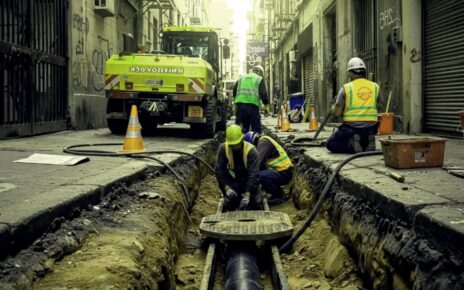
- Collapsing aged plumbing infrastructure: Homes built before 1970 often feature Orangeburg or cast-iron pipes that deteriorate heavily over the decades. Ground freezing at 15 Fahrenheit causes the surrounding soil to heave, exerting immense physical pressure on these weakened structures and causing sudden collapses. A collapsed subterranean line requires an extensive emergency drain repair utilizing advanced trenchless sewer replacement technology.
- Flushing non-degradable hygiene products: Flushing flushable wipes, heavy paper towels, and feminine hygiene products creates instant, impenetrable obstructions. Despite their marketing claims, “flushable” items do not disintegrate in water. They snag on minor pipe imperfections and accumulate rapidly, creating a dense plug that standard household plungers cannot dislodge.
5 Immediate Steps to Manage an Emergency Drain
To manage an emergency drain, you must shut off the main water valve, plunge the affected fixture, deploy a plumbing snake, use a wet/dry vacuum, and contact an emergency drain plumber. I personally executed these exact steps to stop the 3-inch flood in my basement before the professionals took over.
- Shut off the main water supply valve immediately using a 12-inch crescent wrench. The main shut-off valve is typically located near the water meter inside the basement or outside near the street. Turning this valve clockwise completely stops all water flow into the property, preventing any additional flooding.
- Plunge the backed-up fixture using a heavy-duty rubber flange plunger. Ensure you create a tight, airtight seal over the drain opening. Apply forceful, vertical thrusts for exactly 60 seconds to dislodge minor obstructions located near the drain surface.
- Snake the pipes using a 25-foot manual steel auger. I purchased a standard auger from my local Home Depot for $35. Insert the metal cable into the drain until you feel solid resistance, then turn the handle clockwise to break through the blockage.
- Vacuum the standing water using a 5-gallon heavy-duty Shop-Vac. Removing the contaminated water immediately protects your flooring and reduces indoor moisture levels, preventing toxic black mold growth within the drywall.
- Call an emergency drain plumber, if the water level remains stagnant after 30 minutes of manual intervention. I contacted a local Roto-Rooter branch, and they dispatched a certified technician within an hour. They utilized professional hydro-jetting equipment, blasting water at 3,000 PSI to obliterate the tree root intrusion.
Frequently Asked Questions About Drain Emergencies
When should I schedule a drainage emergency callout?
You must schedule a drainage emergency callout when raw sewage backs up into your home. Scenarios where water threatens electrical outlets or no toilets function pose severe health hazards and demand immediate professional intervention.
How much does an emergency drain service cost in the US?
An emergency drain service costs between $250 and $800 on average. The final price depends heavily on the time of day, the required industrial equipment, and your specific state. For instance, my 2 AM weekend service call in Ohio cost exactly $450.
Can I use chemical cleaners for an emergency drain repair?
You must avoid using chemical drain cleaners for an emergency drain repair. Harsh liquid chemicals generate extreme heat that warps PVC pipes and severely damages older metal systems, causing much more expensive structural failures.
Final Thoughts on Managing a Drainage Crisis
Surviving an unexpected plumbing crisis requires decisive action, a calm mindset, and basic knowledge of your home’s infrastructure. By immediately shutting off the main valve and contacting a reliable emergency drainage company, you minimize costly property damage and health risks. Have you ever experienced a sudden sewer backup in the middle of the night? Share your personal survival tactics and local plumber recommendations in the comments below!